STORIES|01
前川國男という原点。
The Origin: Kunio Maekawa.
モダニズム建築の巨匠、ル・コルビュジエが⼿がけ、世界⽂化遺産に登録されている国⽴⻄洋美術館。この美術館は松⽅幸次郎が収集した松⽅コレクションが戦後フランス政府から⽇本に返還されるのを機に建設され、フランスを代表する建築家であるル・コルビュジエが設計を担当。彼の弟⼦である前川國男、坂倉準三、吉阪隆正がサポートして、1959年上野にオープンした。
そして1975年、⻄洋美術館に新館の増築が決まったときに設計を任されたのは、⽇本のモダニズム建築の旗⼿となった前川國男だった。本館建築の際にコルビュジエのもとで働いた前川が新館を⼿がけたのは⾃然の流れであり、新館は本館と⼀体となって中庭を抱きこむように設計され、つくりあげた作品となった。
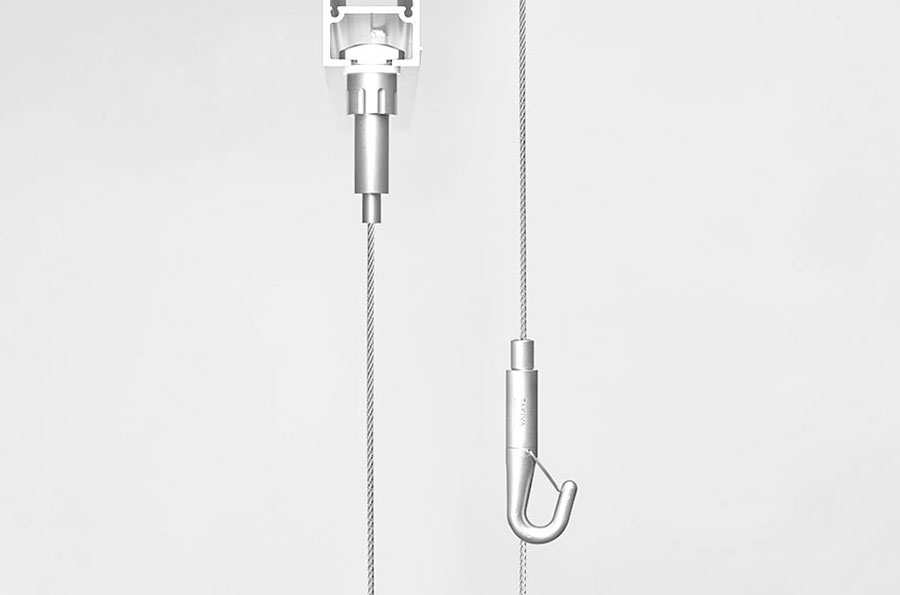
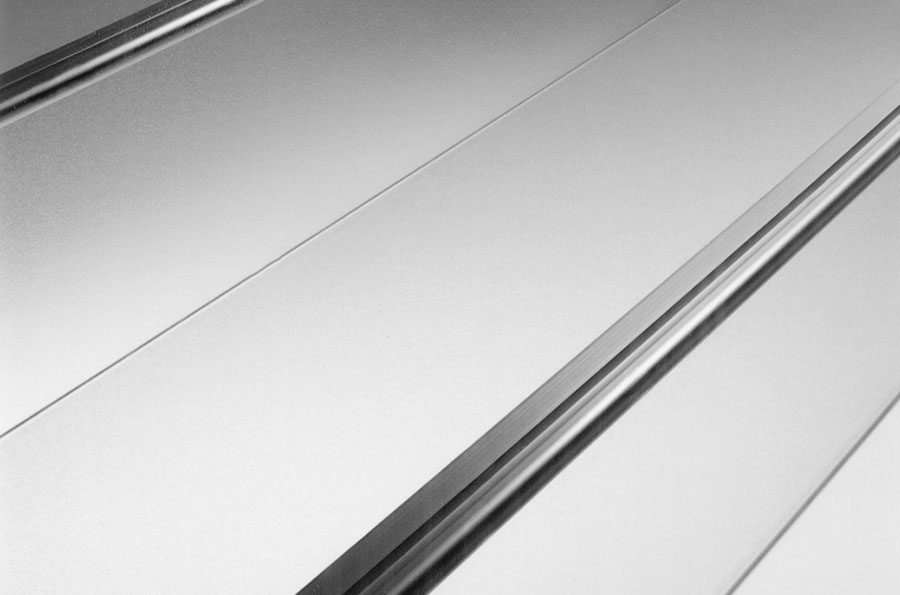
前川は設計にあたって美術館の空間のあり⽅にも気を配った。⽇本の美術館は企画展が催されることが多く、その都度作品の展⽰レイアウトを考えなければならない。この事情を踏まえて、操作性に優れ、シンプルで美しく強靭な絵画専⽤の⾦具ができないかと考え、依頼を受けたタキヤがそのコンセプトを具現化。4年の歳⽉をかけて試⾏錯誤を繰り返し、1979年、新館の竣⼯とともに世界のどこにもないピクチャーレールが誕⽣した。
「コレダーライン」「ピクチャーハンギングシステム」と名づけられたタキヤのピクチャーレールはまたたく間に⼤きな反響を呼び、国内の美術館・博物館がつぎつぎに採⽤。さらには1990年のベルギー王⽴美術館を⽪切りに、世界中の名だたる美術館にも納⼊されていった。美術館のプロフェッショナルの意⾒を取り⼊れながら進化を続け、今⽇ではピクチャーレールのスタンダードとして、海外30の国と地域、国内1000か所を超える美術館や博物館で名画を⽀えている。
Designed by Le Corbusier, a master of modernist architecture, and registered as a UNESCO World Heritage Site, the National Museum of Western Art was built following the postwar return of the Matsukata Collection--assembled by Kojiro Matsukata--from the French government to Japan. The museum was designed by Le Corbusier, one of France's most renowned architects, with support from his disciples Kunio Maekawa, Junzo Sakakura, and Takamasa Yoshizaka, and opened in Ueno in 1959.
In 1975, when plans were made to expand the museum with a new wing, the commission was entrusted to Kunio Maekawa, who had become a leading figure in Japanese modernist architecture. Having worked under Le Corbusier during the construction of the main building, it was only natural for Maekawa to take on the design of the extension. The new wing was conceived as an integrated structure with the original building, embracing a central courtyard and forming a unified architectural composition.
In designing the extension, Maekawa also paid close attention to the functionality of museum spaces. In Japan, museums frequently host special exhibitions, requiring flexible and efficient display systems for artworks. With this in mind, he sought a simple, elegant, and highly durable hanging system specifically for paintings. Responding to this request, Takiya brought the concept to life. After four years of trial and refinement, a picture rail unlike any other in the world was completed in 1979, alongside the completion of the new wing.
Named "Koreder Line" and the "Picture Hanging System," Takiya's innovation quickly gained widespread acclaim and was adopted by museums and galleries across Japan. Beginning with the Royal Museums of Fine Arts of Belgium in 1990, it was subsequently introduced to leading museums around the world. Continuously evolving through collaboration with museum professionals, it has become the global standard in picture rails, supporting masterpieces in over 1,000 museums and galleries across Japan and in more than 30 countries and regions worldwide.
The National Museum of Western Art
国立西洋美術館
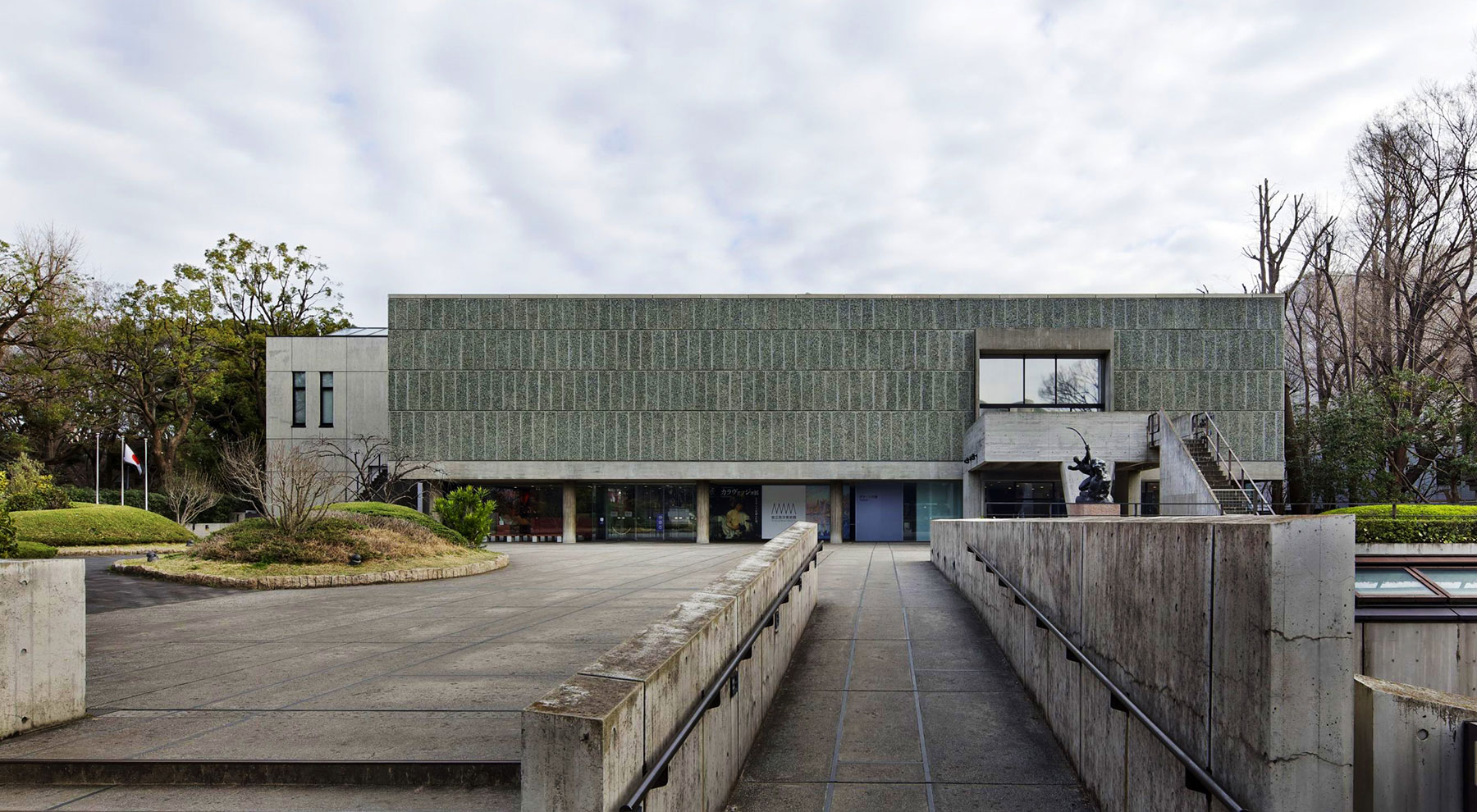
モダニズム建築の巨匠、ル・コルビュジエが設計して、1959年にオープン。
2007年国の重要文化財に、2016年世界文化遺産に登録されている。
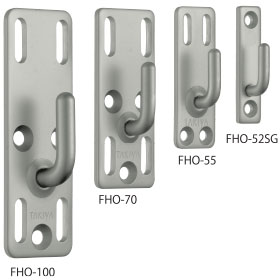
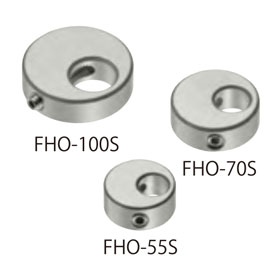
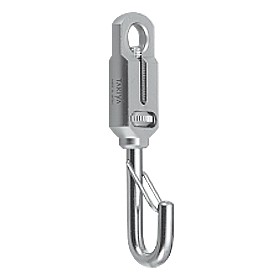
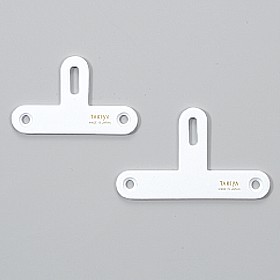
関連製品
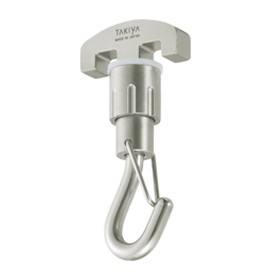
フック
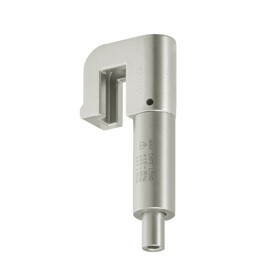
ハンガーセット
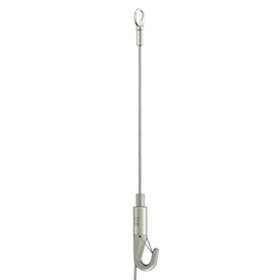
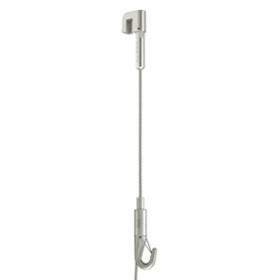
ミューズ
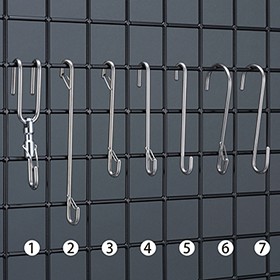
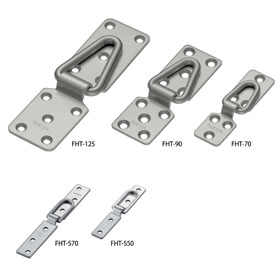
ARCHIVES
01
The National Museum of Western Art
前川國男という原点。
02
Kimbell Art Museum
レンゾ・ピアノに捧ぐ。
03
Rijksmuseum Amsterdam
世紀の大改修の最後に。
04
Museum of Fine Arts, Boston
The Art of Japan.
05
Museo Nacional del Prado
プラド美術館からの招待。
06
The National Gallery, London
タキヤのリレー。
07
Koninklijke Musea voor Schone Kunsten van België
世界への第一歩。
ページのトップに戻る